

News & insights
Things we think about.
Notes on the cases, statutes and regulatory shifts crossing our desk.
 Insights7 October 20268 minBuying a Queensland Business: What Due Diligence Should Cover and What a Finding ChangesInsights8 minAHPRA Advertising Guidelines: What Health Businesses Can and Cannot Say17 September 2026Insights8 min45 Providers Struck Off One Register, a Final Deadline on the Other: Australia's Digital Asset Squeeze14 September 2026
 Insights11 September 20266 minAHPRA Social Media Policy: The Rules for Practitioners and Practices
 Insights7 September 20266 minEV Charging Networks: The Regulatory StackInsights6 minForeign Ownership and Defence Work: What Kills Deals4 September 2026
 Insights2 September 20266 minThe We Are Not a Financial Product Era Is EndingInsights6 minAutomated Vehicles in Australia: The Coming Safety Law31 August 2026
 Insights28 August 20266 minWhat a Psychedelic Therapy Clinic Really Involves
 Insights26 August 20266 minDoes Your Product Need Digital ID Accreditation?Insights6 minApproached by a Data Centre Developer? A Landowner's Guide24 August 2026Insights6 minACCU Projects: From Registration to First Credit21 August 2026
 Insights19 August 20266 minSelling Electricity Without Being a Retailer
 Insights17 August 20266 minDefence Grants and Funding for SMEs: The MapInsights6 minSOCI Obligations for Data Centre Operators and Their Suppliers14 August 2026
 Insights12 August 20266 minCrypto Licensing in Australia: Cost and Timeline Questions Answered HonestlyInsights6 minIs Your AI Health Tool a Medical Device? The TGA Question10 August 2026
 Insights7 August 20266 minBNPL Is Credit Now: What the Licence Means in Practice
 Insights5 August 20266 minBVLOS Approval Under AusSORA: Cost and Timeline RealitiesInsights6 minTokenising Real World Assets in Australia3 August 2026Insights9 minBecoming an Authorised Prescriber of MDMA or Psilocybin31 July 2026
 Insights29 July 20266 minCan AI Give Financial Advice in Australia?
 Insights27 July 20266 minExport Controls for Australian Tech Companies After the ReformsInsights6 minStablecoin Issuance in Australia: The Regulatory Path24 July 2026
 Insights22 July 20266 minData Centre Planning Approvals in NSW, Victoria and QueenslandInsights6 minMandatory NDIS Registration Is Coming for Everyone: The 2027 to 2030 Roadmap20 July 2026
 Insights17 July 20266 minHow to Start a Commercial Drone Operation in Australia
 Insights15 July 20266 minAutomated Decision Disclosure From 10 December 2026: What Your Privacy Policy Must SayInsights6 minThe 30 June AFSL Lodgement Moved to 30 September. This Is the Final Window.13 July 2026Insights4 minThe $51.9 Billion Priority List: What It Tells Everyone Who Isn't On It12 July 2026
 Insights7 July 20267 min38 Compliance Actions in June: What the NDIS Commission's Enforcement Numbers Mean for Providers
 Insights7 July 20264 minCould an AI Law Firm Launch in Australia? The Garfield QuestionInsights9 minMissed the 1 October SIL Deadline or Still Waiting on Registration? What Happens Now5 July 2026
 Insights22 June 20268 minWhen Your AI Agent Gets It Wrong, Who Is Liable?Insights7 minMasters v Cameron Turns 72 This Year. People Still Get Caught by It19 June 2026
 Insights18 June 20264 min$21.6 Million Mortgage Enforced: Court Declines to Unwind a Risky Refinance
 Insights16 June 20267 minBilled as Estate Planning, the 2026 Trust Tax Changes Are a Business ProblemInsights12 minIs Australia Finally Getting a Bill of Rights in 2026? Not So Fast15 June 2026Insights19 minAML Tranche 2 Starts in Three Weeks. Here Is What We Have Been Building.10 June 2026
 Insights5 June 20266 minLitigation Cost in Eight Mile Plains: Commercial Dispute Lawyer Fees
 Insights5 June 20267 minOne Lawyer or a Team of Six: What the Leverage Model Actually Costs YouInsights5 minCourt-Enforceable Undertakings to the ACCC: When to Negotiate Rather Than Defend4 June 2026
 Insights3 June 20266 minDirector Penalties Under the Australian Consumer Law: Personal Liability ExplainedInsights5 minACCC Infringement Notices or Court Proceedings: Understanding Your Response Options2 June 2026
 Insights1 June 202614 minAHPRA Investigation: What Happens and What To Do at Each Stage
 Insights29 May 202613 minMandatory Injunctions in Australia: When a Court Will Order Someone to ActNews3 minAstris Law Launches HeadStart Counsel for Tranche 228 May 2026Insights6 minReceived an ACCC Notice? Immediate Steps Australian Directors Must Take27 May 2026
 Insights21 May 20266 minSuspicious Matter Reporting to AUSTRAC: When Australian Businesses Must File
 Insights16 May 202630 minCrypto Regulation in Australia After the 30 September 2026 ASIC DeadlineInsights5 minAML/CTF Risk Assessment: Building a Proportionate Program for Mid-Market Firms13 May 2026
 Insights10 May 202627 minRecovering Legal Costs in Queensland Courts, Federal Courts and QCATInsights7 minSuperannuation Guarantee Charge: The Director's Personal Exposure7 May 2026Insights6 May 20265 minCustomer Due Diligence: How Australian SMEs Should Verify Client IdentityInsights5 May 202615 minNon-Compete Clauses in Australia: What the Law Actually Says (Not What the Headlines Say)Insights30 minNDIS Service Agreements in 2026: Why the "Industry Standard" Is Costing Allied Health Practices and Service Providers Money1 May 2026Insights5 minWho Must Register with AUSTRAC? A Decision Guide for Australian Business Owners29 April 2026
 Insights21 April 20266 minAML/CTF Compliance Checklist for Small Businesses: Meeting AUSTRAC Requirements
![Lavercombe v LSC [2023]-[2026]: Six years, five decisions and a tiered costs order - Astris Law article](/images/articles/qcat.jpg) Insights20 April 202611 minLavercombe v LSC [2023]-[2026]: Six years, five decisions and a tiered costs orderInsights16 minQCAT Lawyer: When You Need Legal Help at the Queensland Civil and Administrative Tribunal10 April 2026
Insights20 April 202611 minLavercombe v LSC [2023]-[2026]: Six years, five decisions and a tiered costs orderInsights16 minQCAT Lawyer: When You Need Legal Help at the Queensland Civil and Administrative Tribunal10 April 2026 Insights9 April 20266 minMake Good Disputes at Lease End: How Brisbane Commercial Tenants Can Avoid Costly LitigationInsights19 minInsolvent Trading: A Director's Guide to Section 588G9 April 2026
 Insights2 April 20266 minRent Review Disputes: Expert Determination or Court Proceedings in Queensland
 Insights1 April 202617 minTrusts Act 2025 (Qld): A Complete Guide to Queensland’s New Trust LawsInsights7 minBest Commercial Lawyer in Brisbane: How to Find1 April 2026Insights7 minATO Debt Enforcement in 2026: Garnishees, Disclosure of Business Tax Debts and Winding Up26 March 2026
 Insights24 March 20266 minBreaking a Commercial Lease: Personal Guarantees and Exit Strategies
 Insights21 March 202621 minAustralia Finally Has a Privacy TortOpen Letter7 minAn Open Letter to Clients Who Ask Me to Review Their AI Document18 March 2026
 Philosophy Club16 March 20267 minWhat Is a Lawyer Actually For?Insights6 minRetail Tenancy Disputes Under the Retail Shop Leases Act: A Queensland Guide13 March 2026
 Insights12 March 20267 minResponding to a DPN: The First 21 Days
 Publication8 March 202618 minReforms to the ASCR Following AML Tranche 2 ReformsPublication28 minWhat Happens to Australian Businesses if War Breaks Out?6 March 2026Insights6 minCommercial Lease Dispute in Brisbane: Should You Choose Mediation or Litigation?5 March 2026
 Publication4 March 202610 minCan Creditors Sue Directors? A Guide to Creditor Rights Against Directors in Australia
 Insights1 March 202613 minCommercial Litigation Lawyer BrisbaneInsights8 minChoosing a Commercial Law Firm in Brisbane: BigLaw vs Boutique1 March 2026
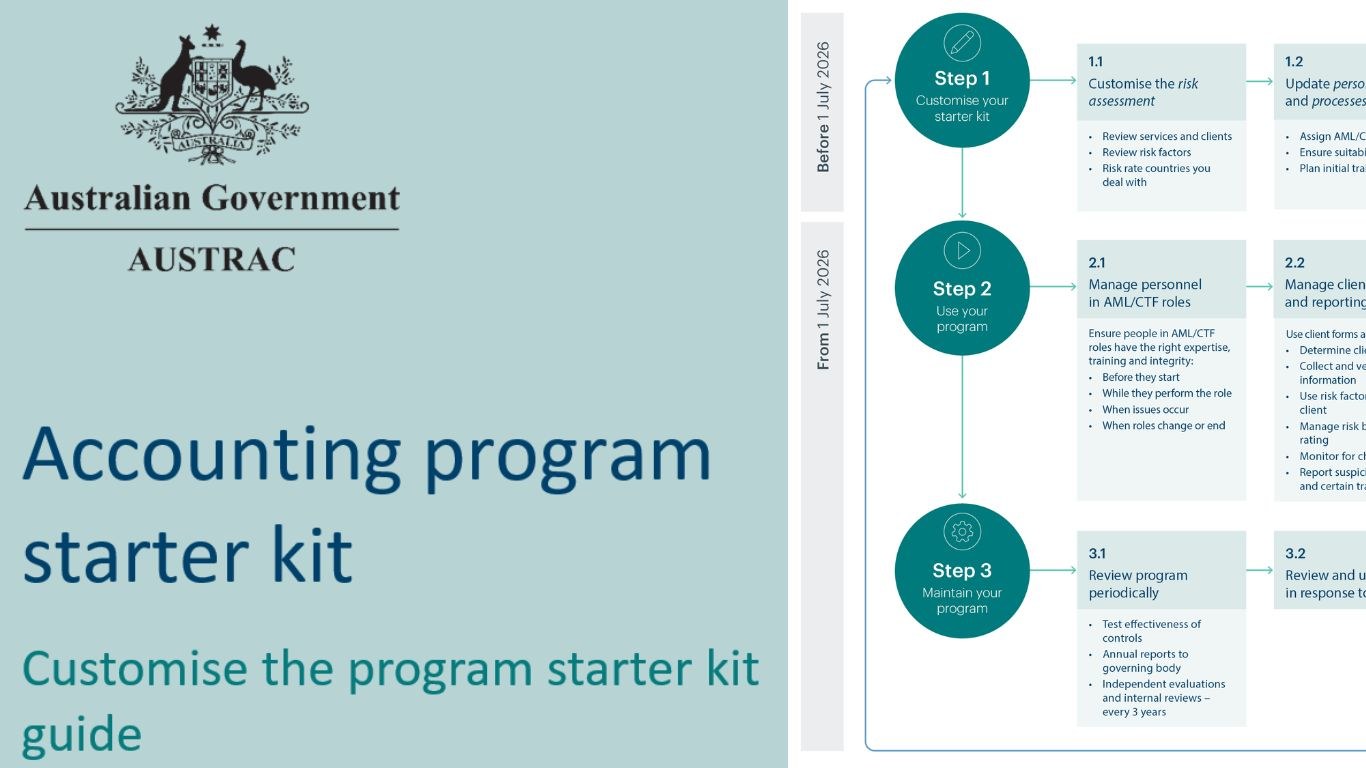 Insights25 February 202613 minAUSTRAC Free Starter Kits: How Did They Rate?Insights5 minEvidence Preservation in Commercial Disputes: What Brisbane Directors Should Secure Before Litigation24 February 2026
 Publication24 February 202612 minDebt Recovery in Queensland: The Process from Demand to Enforcement
 Publication20 February 20266 minShareholder Disputes and Oppression Remedies under the Corporations ActInsights28 minUrgent Injunctions in Australia: When You Need the Court to Act Fast19 February 2026Publication10 minUnfair Contract Terms: What Australian Small Businesses Need to Know14 February 2026
 Insights12 February 20266 minStatute of Limitations in Commercial Disputes: Queensland Deadlines That Cannot Be MissedInsights7 minLockdown DPNs: When Liability Cannot Be Remitted12 February 2026Publication5 minFranchise Agreement Pitfalls: What Australian Franchisees Should Know11 February 2026Publication10 February 20265 minCommercial Lease Disputes in Queensland: Tenant and Landlord RightsInsights12 minStarting a Business in Queensland: The Complete Legal Checklist5 February 2026
 Publication4 February 20268 minStatutory Demands under the Corporations Act: What You Need to Know
 Insights3 February 20265 minLitigation or Settlement? A Cost-Benefit Analysis for Queensland SMEsPublication5 minProtecting Intellectual Property for Australian Startups3 February 2026Publication8 minPrivacy Act Compliance for Australian Businesses: APPs, Data Breaches and Penalties27 January 2026
 Insights22 January 202612 minDirector Penalty Notices: What the Law Actually SaysInsights21 January 20265 minPre-Litigation Risk Assessment: Seven Questions Brisbane Directors Must Ask Before SuingInsights6 minWhat's in a Name? Digital Real Estate and the Value of Digital Naming Rights20 January 2026
 Publication17 January 20265 minSecurity of Payment in Australian Construction: Contractor Rights and AdjudicationInsights10 minEmployment Law for Employers: 10 Mistakes That Cost Brisbane Businesses14 January 2026
 Insights9 January 20265 minCommercial Litigation: When to Initiate Proceedings
 Publication8 January 20265 minPPSA Priority Rules: How Security Interests Rank in AustraliaInsights14 minCommercial Lawyer Cost in Brisbane: How Much?7 January 2026Insights11 minRight to Disconnect: What Small Business Owners Actually Need to Know3 January 2026Insights5 minCommercial Lawyer in Brisbane: How to Choose the Right Firm1 January 2026
 Publication30 December 202516 minNon-Compete and Restraint of Trade Clauses in Australian EmploymentInsights8 minBusiness Partner Breaches Contract12 December 2025
 Insights28 November 20256 minOutsourced General Counsel for Australian BusinessesInsights4 minRule 208C and 208D UCPR - Supreme Court vs Inferior Courts3 October 2025 (updated February 2026)Insights30 July 202510 minQueensland Supreme Court Filing Fees: How Much It Costs
 News18 June 20252 minAstris Law Speaks at DECA Digital Economy Conference 2025Publication10 minCivil Penalties under Corporations Act9 January 2025 (updated 1 February 2026)Publication15 minFair Work Underpayments and Penalties: What Employers Actually Face9 January 2025
 Publication9 January 202517 minAustralian Director Duties: The Law, The Cases and The Consequences
 Insights16 December 20246 minMeg's Flowers Penalised $1 Million: The ACCC's 'Local Florist' Case and What It Means for Online BusinessesPublication5 minShareholder Agreements in Australia: What Every Private Company Needs15 December 2024
 Insights28 November 20245 minPPSA Security Interests: How Registration Failures Destroy Creditor RightsInsights6 minConstruction Contracts in Australia: Risk Allocation and Security of Payment12 October 2024
 Publication5 September 20246 minUnfair Dismissal in Australia: What the Fair Work Commission Actually Considers
Reading about it is a start. Talking it through is better.
A strategy call gets you actionable advice on your actual situation.