

Make Good Disputes at Lease End: How Brisbane Commercial Tenants Can Avoid Costly Litigation
Summary
Make good obligations are one of the most common flashpoints at the end of a commercial lease. Brisbane tenants are often surprised by the cost of reinstating premises. This guide explains what make good clauses require, how disputes arise and the practical steps to resolve them without litigation.
Key Takeaways
- Make good clauses require the tenant to return the premises in a defined condition at the end of the lease, and the cost is often underestimated.
- Disputes usually turn on what the clause actually requires, the condition at the start of the lease and the standard of reinstatement.
- A condition report or photographic record taken at the start of the lease is the most valuable evidence a tenant can hold.
- Many make good disputes settle through a negotiated payment in lieu of physical works, which can suit both parties.
- Engaging early, before the lease ends, gives a tenant far more leverage than waiting until handover.
- 1.A late surprise
- 2.What make good means
- 3.Why make good disputes arise
- 4.The decisive importance of records
- 5.Negotiating a payment in lieu
- 6.Heading off litigation
- 7.Step 1: Read the clause early
- 8.Step 2: Assemble your evidence
- 9.Step 3: Open the conversation before handover
- 10.Frequently Asked Questions
Make good obligations are one of the most common flashpoints at the end of a commercial lease. Brisbane tenants are often surprised by the cost of reinstating premises. This guide explains what make good clauses require, how disputes arise and the practical steps to resolve them without litigation.
A late surprise
Make good is the obligation no one thinks about until the lease is ending, and by then it is often a five or six figure surprise. For Brisbane commercial tenants, the gap between what they assume they owe and what the landlord demands is one of the most common sources of end-of-lease conflict.
This guide explains what make good clauses require, why disputes arise and how tenants can resolve them without the cost of litigation.
What make good means
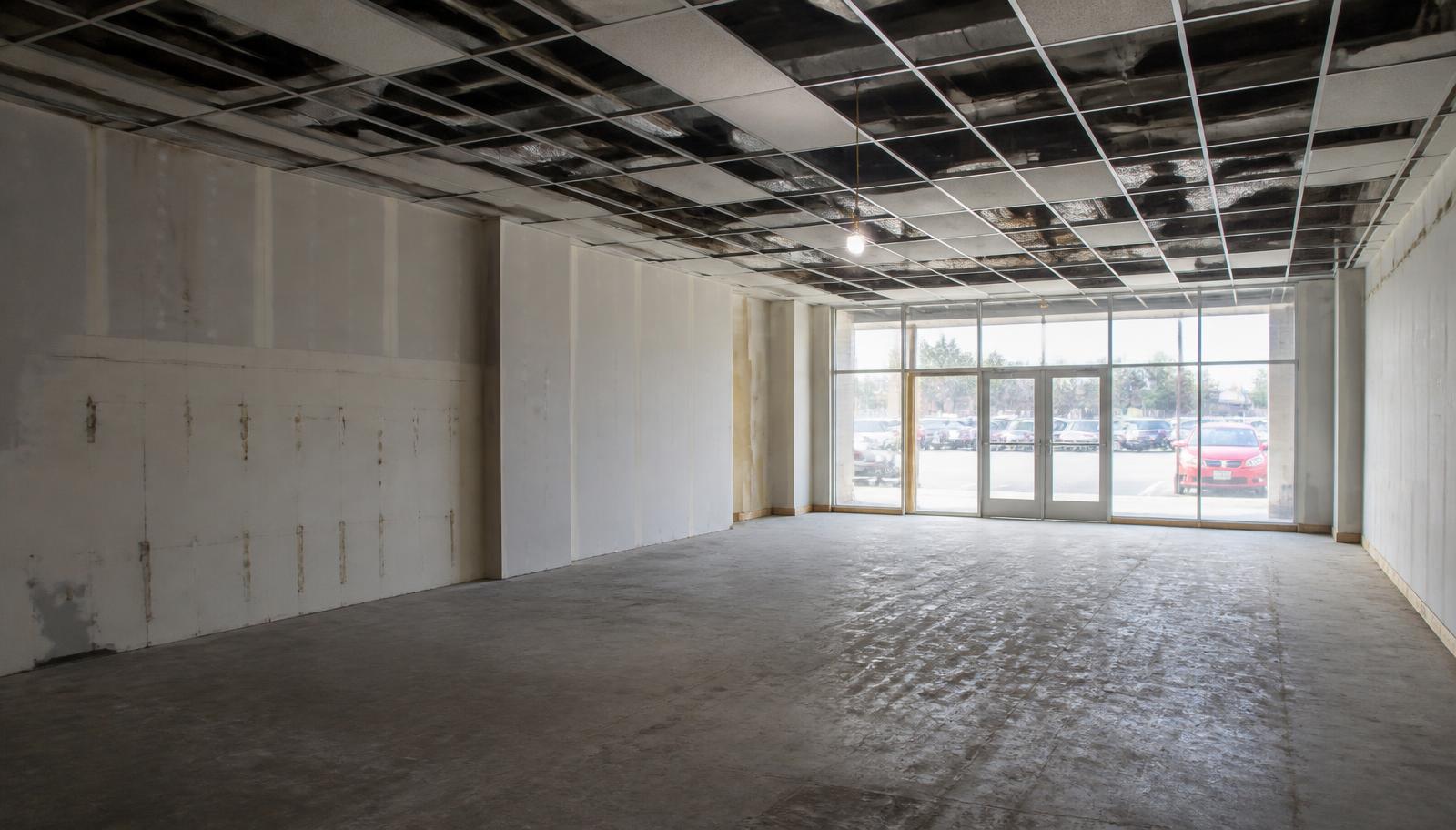
A make good clause requires the tenant to return the premises in a particular condition at the end of the lease. Depending on the wording, that can mean removing the tenant's fit-out, repairing damage, repainting, replacing floor coverings or restoring the premises to base building condition or to the condition they were in at the start of the term. The scope varies enormously between leases, and the wording is everything.
The practical problem is that tenants often assume make good means a light clean and tidy, while landlords read the same clause as requiring a full strip-out and reinstatement. The cost difference between those two readings can be substantial.
Why make good disputes arise
Most make good disputes come down to a small number of recurring issues:
- Whether the tenant must return the premises to base building, to original condition or merely repair damage is a question of construction of the specific words used in the clause.
- If the obligation is to return the premises to their condition at the start of the term, the parties need evidence of what that condition was and without it the argument becomes a contest of recollections.
- Many leases exclude fair wear and tear from the tenant's obligations, which raises questions about what deterioration is the tenant's responsibility and what is simply the passage of time.
- Disputes also arise over the quality, extent and cost of the works the landlord says are required.
The decisive importance of records
The most valuable thing a tenant can hold in a make good dispute is a clear record of the condition of the premises at the start of the lease. A dated condition report and photographs taken at handover establish the baseline against which the make good obligation is measured. Tenants who took that record at the outset are in a strong position. Those who did not are often left arguing about a starting point no one can prove. Our property practice regularly advises tenants to create this record before they take occupation.
Negotiating a payment in lieu
Physical make good works are disruptive, take time and can be expensive. In many cases both parties are better served by a negotiated payment in lieu of works, where the tenant pays an agreed sum and the landlord takes responsibility for whatever reinstatement it wants to carry out. This can suit a landlord who intends to refit the premises for an incoming tenant anyway, which makes the tenant's physical works pointless. A well negotiated payment in lieu can be cheaper for the tenant than the works themselves and gives the landlord certainty. It is often the most sensible resolution.
Heading off litigation
A few steps materially reduce the risk of an end-of-lease dispute escalating.
Step 1: Read the clause early
Review the make good clause well before the lease ends, ideally months out. Understand exactly what standard it sets and what works it contemplates. Early clarity gives you time to plan and to negotiate from preparation rather than panic.
Step 2: Assemble your evidence
Locate the condition report, photographs, the lease, any approved fit-out plans and correspondence about alterations. This is the material that defines the scope of your obligation. If a record of the starting condition exists, it will often be decisive.
Step 3: Open the conversation before handover
Engage with the landlord before you vacate, not after. A tenant who raises make good early, proposes a scope and offers to negotiate has far more leverage than one who hands back the keys and waits for a demand. Where the lease is a retail shop lease, a make good dispute can fall within the statutory retail tenancy dispute process, which runs through mediation before QCAT. For non-retail leases, mediation is still usually the cheapest way to resolve a disagreement. You can read more on choosing a pathway in our note on commercial lease disputes in Queensland.
Frequently Asked Questions
What does a make good clause actually require?
It depends entirely on the wording. Some clauses require only repair of damage, others require removal of the tenant's fit-out and others require restoration to base building or to the condition at the start of the term. Read the specific clause in your lease, because the scope and cost vary widely.
Do I have to physically carry out the works?
Not necessarily. In many cases the parties agree a payment in lieu of physical works, especially where the landlord intends to refit the premises anyway. This can be cheaper and less disruptive for the tenant while giving the landlord certainty.
What if I do not have a condition report from the start of the lease?
It makes your position harder where the obligation is to return the premises to their original condition, because you may struggle to prove what that condition was. Any photographs, plans or correspondence from the start of the term become valuable. It is also why taking a condition report at handover is so important for the next lease.
Is fair wear and tear my responsibility?
Many leases exclude fair wear and tear from the tenant's make good obligations, meaning ordinary deterioration over time is not something the tenant must remedy. Whether particular damage is fair wear and tear or something more is often the heart of the dispute, and it turns on the facts and the lease wording.
When should I deal with make good?
As early as possible, well before the lease ends. Early engagement gives you time to understand the obligation, gather evidence and negotiate, all of which strengthen your position and reduce the chance of a costly dispute.
This is general information, not advice on your situation. If you are facing a make good dispute at the end of a commercial lease, get in touch or call (07) 3519 5616.
Sources and References
- LegislationProperty Law Act 2023 (Qld)
- LegislationRetail Shop Leases Act 1994 (Qld)
- LegislationQueensland Civil and Administrative Tribunal Act 2009 (Qld)
This article is for general information purposes only and does not constitute legal advice and should not be relied on as such. While we take reasonable care to ensure the accuracy of the information provided, we make no representations or warranties as to its completeness, currency or reliability. We accept no liability for any loss or damage arising directly or indirectly from the use of, or reliance on, this website's content. You should always seek professional advice tailored to your specific circumstances before acting on any information in this article. Liability limited by a scheme approved under Professional Standards Legislation.
Facing a make good dispute in Brisbane?
We help commercial tenants understand and negotiate make good obligations before they become litigation. To talk through your lease, book a call back on (07) 3519 5616.