

Stablecoin Issuance in Australia: The Regulatory Path
Summary
A stablecoin is a promise wearing a token, and in Australia the promise is what gets regulated. Why the rights behind your coin decide the path, why custody and reserves are structuring decisions and why the issuers who map the path before minting keep their options.
Key Takeaways
- Whether a stablecoin is a financial product turns on the rights it carries, not on the word stablecoin, and issuance structures vary enormously in the rights they create.
- The Corporations Amendment (Digital Assets Framework) Act 2026 (Cth) commences on 9 April 2027 and regulates digital asset platforms and tokenised custody platforms under the AFSL regime.
- The new framework's obligations cover safeguarding client assets, disclosure, misleading conduct and dispute resolution, all of which touch how a stablecoin reaches its holders.
- Custody and reserve arrangements are core structuring decisions, not operational details to settle after launch.
- The issuers who map the regulatory path before minting keep options that are expensive to recover afterwards.
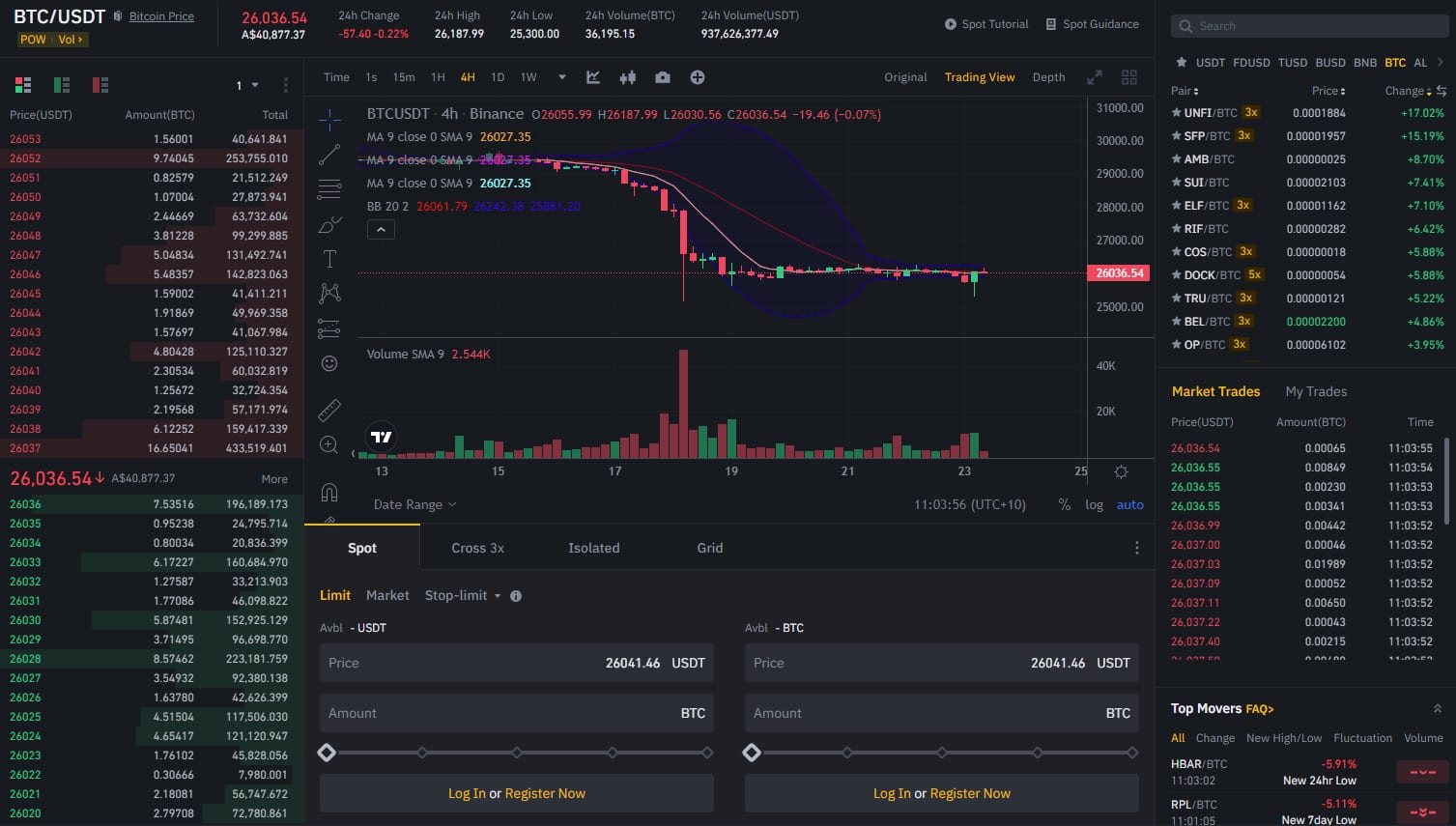
A stablecoin is a promise wearing a token. Someone holds something, someone owes something and the coin is the receipt. That is precisely why stablecoin issuance is the most legally loaded project in the digital asset space: Australian law does not regulate the word stablecoin, it regulates promises, and whether a token is a financial product turns on the rights it carries, not the label it wears. Two coins that trade identically can sit in entirely different legal positions because of what stands behind them.
In Brief
- Whether a stablecoin is a financial product turns on the rights it carries, not its label.
- Issuance structures differ in the rights they create, which is why the regulatory path differs between coins that look the same.
- The Corporations Amendment (Digital Assets Framework) Act 2026 (Cth) commences on 9 April 2027, regulating digital asset platforms and tokenised custody platforms under the AFSL regime.
- Its obligations cover safeguarding client assets, disclosure, misleading conduct and dispute resolution.
- Custody and reserve arrangements are structuring decisions that shape the whole path, and they are made at the start whether you notice or not.
The Label Does Nothing
Start with the principle that governs everything else in this area. Whether a token is a financial product turns on the rights it carries, not on what it is called. For a stablecoin, the rights question is unusually sharp, because the entire product is a bundle of rights: a claim of some kind, against someone, backed by something, redeemable somehow. Change any element of that bundle and the legal character of the coin can change with it. A redemption right against the issuer is not the same as a claim on a pool, which is not the same as a mechanism with no legal claim at all, and each variation lands differently under the Corporations Act 2001 (Cth).
This is why the most dangerous research method in this market is looking at what another issuer did and copying it. Their structure created their rights and their rights determined their path. Unless your structure matches theirs in the ways that matter legally, which is not the same as the ways that matter commercially, their path tells you very little about yours.
The Framework That Is Coming
The regulatory landscape a new issuer launches into is dated and knowable. The Corporations Amendment (Digital Assets Framework) Act 2026 (Cth) received royal assent on 8 April 2026 and commences on 9 April 2027. It creates two regulated categories, digital asset platforms and tokenised custody platforms, requiring an Australian financial services licence, with obligations covering safeguarding client assets, disclosure, misleading conduct and dispute resolution. Smaller platforms holding less than 5,000 dollars per customer and facilitating under 10 million dollars in annual transactions are exempt.
For a stablecoin project, that framework matters twice. It can matter directly, depending on how the coin and the arrangements around it are characterised. And it matters through the ecosystem, because a stablecoin does not reach holders by itself. It moves through platforms, and platforms holding and dealing in tokens for customers are exactly what the new categories capture. An issuer whose distribution strategy ignores how its partners will be regulated from April 2027 is building on someone else's unexamined assumptions.
Custody and Reserves Are the Structure
Every stablecoin has a custody story and a reserve story, and issuers consistently treat both as operational details to finalise after the interesting work is done. They are the interesting work. Custody is a core structuring decision. Who holds the backing, on what terms, with what segregation and what happens on insolvency are questions that shape the rights holders have, and the rights holders have are what determine the coin's legal character. The structure is not a wrapper around the product. It is the product.
The practical consequence is about sequence. Decisions made at minting, about the issuing entity, the reserve arrangements, the redemption mechanics and the terms, are decisions about which regulatory path the project is on. Made deliberately, they can be made well. Made by default, they still get made, and unwinding a live coin into a better structure is a project nobody enjoys and some projects do not survive.
The Path Exists
None of this is an argument against issuing. It is an argument about order. There is a navigable path for a well structured stablecoin project in Australia, and the issuers who map it before minting hold options, on structure, on distribution and on timing, that are expensive or impossible to recover afterwards. The mapping is specific work: your backing, your redemption rights, your customers and your distribution, held up against the law as it stands and the framework as it commences. It is not something to lift from another project's documentation, because their answers were answers to their facts.
Frequently Asked Questions
Is a stablecoin a financial product in Australia?
It depends on the rights it carries. A claim on the issuer, a redemption right or an interest in a pool can each change the analysis, and coins that look identical commercially can differ legally. The question is answered by your structure, not by the market's vocabulary.
Does the new digital assets framework apply to stablecoin issuers?
The framework, commencing 9 April 2027, regulates digital asset platforms and tokenised custody platforms under the AFSL regime. How it touches a particular issuer depends on the arrangements around the coin, including how it is distributed and held, which is a characterisation exercise specific to the project.
When should custody be decided?
Before issuance. Custody is a core structuring decision that shapes the rights behind the coin, and the rights behind the coin drive everything else. Retrofitting custody arrangements onto a live coin is the expensive version of the same decision.
Can we copy the structure of an existing stablecoin?
You can copy its documents. You cannot copy its facts. The legal character of a coin follows the rights your structure actually creates, so another issuer's path is evidence of what worked for them, not advice for you.
Structuring a stablecoin, or distributing someone else's? The wider regulatory map is at our digital assets hub. When you are ready to talk specifics, Contact Astris Law for a fixed fee consultation or call (07) 3519 5616.
Sources and References
- LegislationCorporations Amendment (Digital Assets Framework) Act 2026 (Cth)
- LegislationCorporations Act 2001 (Cth)
This article is for general information purposes only and does not constitute legal advice and should not be relied on as such. While we take reasonable care to ensure the accuracy of the information provided, we make no representations or warranties as to its completeness, currency or reliability. We accept no liability for any loss or damage arising directly or indirectly from the use of, or reliance on, this website's content. You should always seek professional advice tailored to your specific circumstances before acting on any information in this article. Liability limited by a scheme approved under Professional Standards Legislation.
Planning a stablecoin or already issuing one?
The rights your structure creates decide the regulatory path, and they are cheapest to get right before the first token is minted. Astris Law offers a fixed fee structuring consultation, protected by legal professional privilege. Book a call back on (07) 3519 5616.