

Selling Electricity Without Being a Retailer
Summary
Selling electricity in Australia generally requires a retailer authorisation or an exemption from the Australian Energy Regulator. Every new energy model, from batteries to precincts to charging, eventually hits that line. The businesses that find it early choose their structure. The rest inherit one.
Key Takeaways
- Selling electricity in Australia generally requires a retailer authorisation or an exemption from the Australian Energy Regulator.
- Exemption classes exist, and their conditions depend on the arrangement, so the exemption question cannot be answered by category alone.
- Embedded networks are a common structure with their own rules, valuable when designed for and expensive when inherited by accident.
- Virtual power plants, batteries and EV charging raise boundary questions about retailing, metering and network services that turn on the specific arrangement.
- The boundary is usually discovered after contracts are signed, which is the most expensive time to discover it.
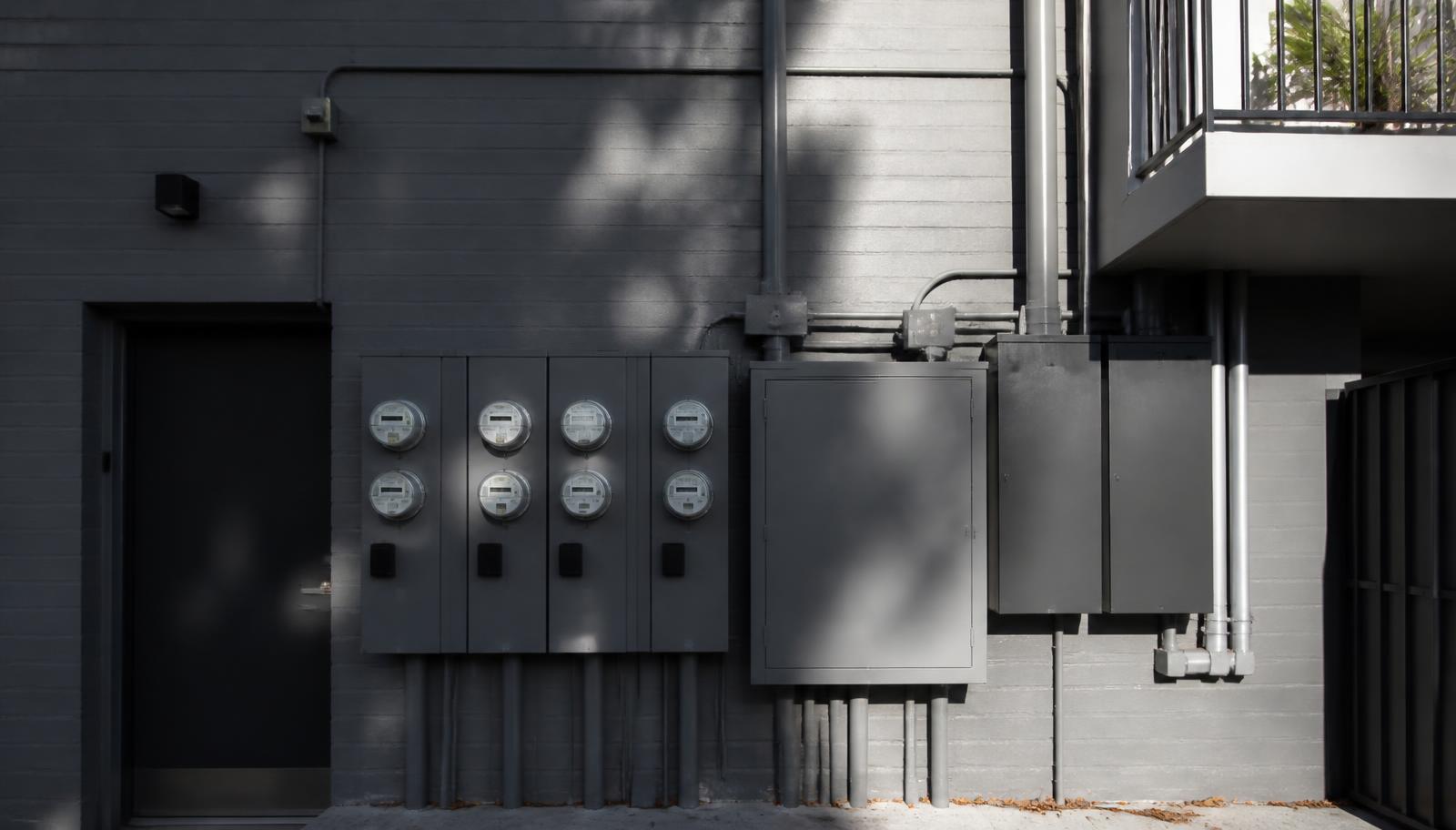
Every new energy business model eventually collides with one deceptively simple question: are you selling electricity? A battery operator sharing stored energy with neighbours, a landlord recovering power costs across a precinct, a charging network billing by the session and a virtual power plant orchestrating a thousand home batteries are all, in their own way, standing near the same line. Selling electricity in Australia generally requires a retailer authorisation or an exemption from the Australian Energy Regulator, and which side of that line your model sits on is not decided by what you call it. It is decided by the arrangement itself.
In Brief
- Selling electricity in Australia generally requires a retailer authorisation or an exemption from the Australian Energy Regulator.
- There are exemption classes, and their conditions depend on the arrangement.
- Embedded networks are a common structure with their own rules.
- Virtual power plants, batteries and EV charging raise boundary questions about retailing, metering and network services.
- The answers turn on the specific arrangement, which is why identical looking models can land on opposite sides of the line.
The Default Rule and the Second Door
The default rule is blunt: selling electricity generally requires a retailer authorisation. Authorisation is the full retailer pathway, built for businesses whose product is electricity retailing, and it carries the load you would expect that to carry. For most new model energy businesses the interesting question is not the authorisation. It is the second door: the exemption framework administered by the Australian Energy Regulator.
Exemptions exist because the energy rules have always had to accommodate people who sell electricity incidentally rather than as their core trade. The framework is built around exemption classes, and here is the detail that catches new entrants: the conditions attached depend on the arrangement. An exemption is not a blanket waiver. It is a fitted garment, and whether one fits your model, on what conditions and with what ongoing obligations, is an analysis of your specific arrangement rather than a lookup of your industry.
Embedded Networks: The Structure Everyone Meets
The most common structure in this territory is the embedded network, where one connection point serves multiple occupants behind it. Apartment towers, shopping centres, industrial parks and master planned precincts run on this structure every day, and it comes with its own rules. Done deliberately, an embedded network can be a genuine asset: a designed energy structure that serves the precinct and the business plan at the same time. Done accidentally, it is a liability with tenants attached, discovered mid dispute or mid transaction by whoever inherited it.
The accidental version is more common than the industry likes to admit, because embedded networks are often created as a side effect of development decisions made for other reasons. If you are buying, building or operating anything where one meter feeds many occupants, the question is not whether the rules apply to you. It is whether anyone has ever checked which ones.
The New Boundary Cases
The framework was built for a world of clear roles: generators generate, networks carry and retailers sell. The new energy models blur every one of those roles, which is exactly why they raise boundary questions. Virtual power plants, batteries and EV charging all raise questions about retailing, metering and network services, and the answers turn on the specific arrangement.
Consider how easily the questions multiply. When a virtual power plant orchestrates household batteries and value flows back to the customer, what exactly is being sold, and by whom? When a battery operator supplies stored energy to a neighbouring site, is that retailing? When a charging session is billed by the amount dispensed, is the network selling electricity or selling a service? None of these questions has a universal answer. Two operators with identical marketing can have materially different regulatory positions because their contracts, their metering arrangements and their money flows differ. The arrangement is the answer, which means the arrangement is also the lever: structured one way a model needs one thing, structured another way it needs something else entirely.
Why This Gets Discovered Too Late
The boundary is almost never discovered at the whiteboard stage. It is discovered when a landlord's lawyer asks on what basis you are selling power to tenants, when a network business queries your metering arrangement, when an investor's diligence list includes the word authorisation or when a regulator asks a question you assumed would never be asked. By then the contracts are signed, the pricing is set and the structure is replicated across every site or customer you have. Restructuring a live arrangement costs multiples of designing it correctly, and some of the value you gave away in the signed documents does not come back at all.
The alternative is unglamorous and cheap by comparison: map the boundary before you build, structure the arrangement to land where you intend and know the conditions you are carrying. That is not a compliance indulgence. In a market where counterparties and capital increasingly ask the question, a clean answer is a commercial asset.
Frequently Asked Questions
Do I always need a retailer authorisation to sell electricity?
No. Selling electricity generally requires a retailer authorisation or an exemption from the Australian Energy Regulator, and exemption classes exist for a range of arrangements. Which pathway fits your model, and on what conditions, depends on the specific arrangement.
Are exemptions automatic?
Treating an exemption as automatic is one of the classic mistakes in this space. The classes have conditions that depend on the arrangement, and whether your model fits a class, and complies with its conditions, is an analysis rather than an assumption.
I think my site might be an embedded network. What should I do?
Find out before someone else does. Embedded networks have their own rules, and whether yours was designed or accidental changes both your obligations and your options. The review is a bounded exercise and it is dramatically cheaper than the retrofit.
My model involves batteries or a virtual power plant. Is that retailing?
It depends on the arrangement. These models raise boundary questions about retailing, metering and network services, and the answers turn on how the electricity, the money and the rights actually flow in your specific structure.
If your model touches the line, find out where you stand while the structure is still yours to choose. Read more on our energy market entry page, Contact Astris Law for a fixed fee consultation or call (07) 3519 5616.
This article is for general information purposes only and does not constitute legal advice and should not be relied on as such. While we take reasonable care to ensure the accuracy of the information provided, we make no representations or warranties as to its completeness, currency or reliability. We accept no liability for any loss or damage arising directly or indirectly from the use of, or reliance on, this website's content. You should always seek professional advice tailored to your specific circumstances before acting on any information in this article. Liability limited by a scheme approved under Professional Standards Legislation.
Does your model involve selling electricity?
Whether your arrangement needs an authorisation, fits an exemption class or needs restructuring is a question best answered before the contracts are signed. Astris Law offers a fixed fee consultation protected by legal professional privilege. Book a call back on (07) 3519 5616.