

Defence Grants and Funding for SMEs: The Map
Summary
Australia is reportedly investing 887 billion dollars in defence over the decade to 2033-34. SMEs hear the number and assume a queue of cheques. The map between a capable company and defence money runs through eligibility gates most companies discover after the window has opened.
Key Takeaways
- Australia is reportedly investing a total of 887 billion dollars in defence over the decade to 2033-34, including 425 billion dollars for new capabilities identified in the 2026 Integrated Investment Program.
- Dedicated funding exists for nuclear powered submarine supply chain participation through the DIDG program, alongside the 15 billion dollar National Reconstruction Fund.
- The 2026 Australian Defence Export Catalogue requires companies to be Australian with at least 51 percent Australian owned IP for listed products.
- Every funding stream carries eligibility gates that reach into ownership, structure and security readiness.
- Companies that sequence eligibility before applications spend the window winning. Companies that do it the other way spend the window fixing.
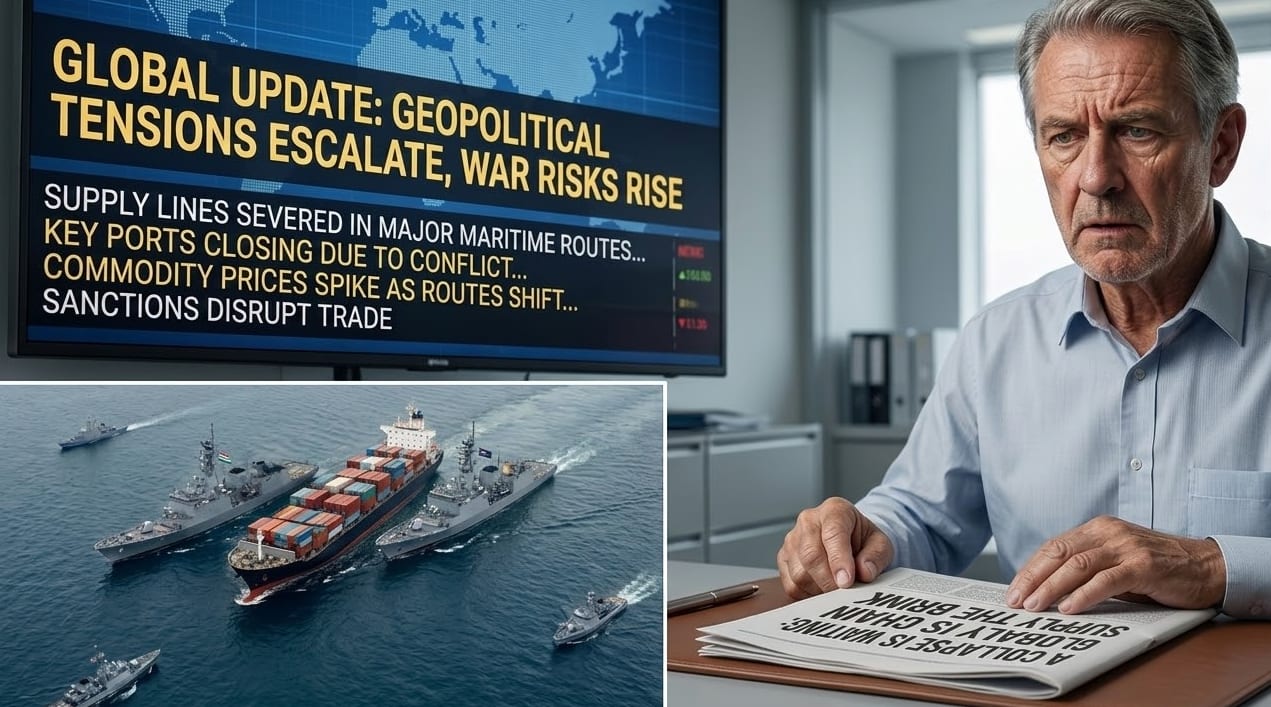
Australia is reportedly investing a total of 887 billion dollars in defence over the decade to 2033-34, including 425 billion dollars for new capabilities identified in the 2026 Integrated Investment Program. Numbers that size do something predictable to a capable SME: they read like a queue of cheques. They are not. They are a map, and the map has gates. The companies that will actually receive defence money over the next decade are the ones that understood the gates before the application windows opened.
In Brief
- Australia is reportedly investing 887 billion dollars in defence over the decade to 2033-34, with 425 billion dollars reportedly earmarked for new capabilities in the 2026 Integrated Investment Program.
- Dedicated funding exists for nuclear powered submarine supply chain participation through the DIDG program.
- The 15 billion dollar National Reconstruction Fund sits alongside the defence specific streams.
- The 2026 Australian Defence Export Catalogue requires companies to be Australian with at least 51 percent Australian owned IP for listed products.
- Eligibility is decided by structure, ownership and readiness, which are legal questions, not grant writing questions.
The Numbers and the Asterisk
Start with what the headline figures actually are. They are reported totals across a decade, and they flow through programs, procurements and funds, each with its own rules about who can receive what. No SME receives a share of 887 billion dollars. An SME receives a contract, a grant or an investment from a specific stream, and every stream asks the same questions before it pays: who owns you, who controls you, where does your intellectual property sit and can you hold the security posture the work requires.
Those are not questions a grant writer answers. They are questions your corporate history answers, and by the time an application is being drafted, the answers are already fixed. That is the single most important thing to understand about defence funding: the application is the last step of eligibility, not the first.
The Submarine Lane
The clearest example of a dedicated stream is the DIDG program, which provides dedicated funding for nuclear powered submarine supply chain participation. For advanced manufacturers and specialist suppliers, this is the lane with the longest horizon and some of the most demanding entry conditions in the system. Participation in that supply chain is not just a capability test. The security expectations travel with the work, which means the Defence Industry Security Program, the security gateway for defence industry work with its membership levels and personnel security clearance requirements, is part of the funding conversation whether the application form mentions it or not.
The National Reconstruction Fund
Alongside the defence specific streams sits the 15 billion dollar National Reconstruction Fund. For SMEs building sovereign capability, it is part of the same map, and it illustrates the same principle: capital of this kind arrives on terms, and the terms interact with everything else on this page. A company taking investment while positioning for defence work is making capital structure decisions and eligibility decisions at the same time, whether it realises it or not.
The 51 Percent Question
If you want a concrete example of how eligibility reaches into corporate structure, the 2026 Australian Defence Export Catalogue provides it. To have products listed, companies must be Australian with at least 51 percent Australian owned IP for the listed products. Read that twice. It is not a test of where you are headquartered or where your staff sit. It reaches into your capitalisation table and your IP register, and it means decisions made years earlier, the offshore holding company, the IP assignment to a foreign parent, the convertible note with the overseas fund, can quietly determine whether a flagship opportunity is open to you at all.
This is the pattern across the whole map. Foreign ownership, control and influence concerns can affect DISP membership and defence contracting, so capital structure should be planned before entry, not after. The funding map and the legal map are the same document.
Sequencing Beats Enthusiasm
The failure mode we see is not incapacity. It is order. A capable SME hears the reported numbers, finds a program, drafts an application and then discovers mid-process that its ownership, its IP position or its security readiness disqualifies it or delays it past the window. The fix was available the whole time. It just needed to happen first.
There is also no prize for figuring this out alone. An Australian first not for profit export controls group has launched to help defence industry and academia navigate the system, which is the sector telling you in plain terms that the system is hard to navigate unaided. The companies that treat entry as a sequenced legal exercise, eligibility first, applications second, are the ones the decade's reported spending is actually available to.
Frequently Asked Questions
Is the 887 billion dollars actually available to SMEs?
It is a reported total across a decade of programs and procurements, not a pool anyone applies to. What is available to an SME is a specific stream with specific eligibility rules, and the real question is which stream fits your company and whether you are eligible when its window opens.
What is the DIDG program?
A program providing dedicated funding for nuclear powered submarine supply chain participation. It matters most for manufacturers and specialist suppliers, and the security and structural expectations that come with that supply chain are part of the assessment of whether it is your lane.
Why would our cap table affect a catalogue listing?
Because the 2026 Australian Defence Export Catalogue requires companies to be Australian with at least 51 percent Australian owned IP for listed products. Ownership of the company and ownership of the IP are both eligibility questions, and both are set by transactions that usually happen long before anyone thinks about the catalogue.
When should the legal work happen?
Before the first application and ideally before the next capital raise. Eligibility problems are cheap to prevent and expensive to unwind, and the difference is usually measured in missed windows.
If you are positioning for defence funding, get the gates mapped before the applications start. Start with our defence industry entry page, then Contact Astris Law for a fixed fee eligibility review or call (07) 3519 5616.
Sources and References
- Other2026 Integrated Investment Program (reported figures)
- Other2026 Australian Defence Export Catalogue eligibility criteria
This article is for general information purposes only and does not constitute legal advice and should not be relied on as such. While we take reasonable care to ensure the accuracy of the information provided, we make no representations or warranties as to its completeness, currency or reliability. We accept no liability for any loss or damage arising directly or indirectly from the use of, or reliance on, this website's content. You should always seek professional advice tailored to your specific circumstances before acting on any information in this article. Liability limited by a scheme approved under Professional Standards Legislation.
Chasing defence funding?
Eligibility is decided by your structure, your ownership and your readiness long before any application form is opened. Astris Law maps the gates against your company on a fixed fee. Book a call back on (07) 3519 5616.