

Data Centre Planning Approvals in NSW, Victoria and Queensland
Summary
Australia ranked second globally as a data centre investment destination in 2024 and the east coast states are where the capacity race is being run. The planning pathway you choose, and how it lines up with grid connection, decides whether your project moves in quarters or in years.
Key Takeaways
- Australia ranked second globally as a data centre investment destination in 2024, and in 2025 the NSW Government had approved or received state significant development applications for 22 additional data centre facilities with combined capacity of 3.67 gigawatts.
- Each east coast state offers a pathway for major projects, but eligibility, sequencing and community objection exposure differ, and choosing the wrong pathway is expensive to unwind.
- Planning and grid connection run in parallel but are not always aligned. Projects stall when connection works lag development applications.
- Since 23 March 2026 the Commonwealth's national Expectations framework sits over the state processes. It creates no legal obligations, but alignment is prioritised through Commonwealth regulatory processes.
- The cheapest time to fix a planning strategy is before the site is committed and before any regulator has formed a view of the project.
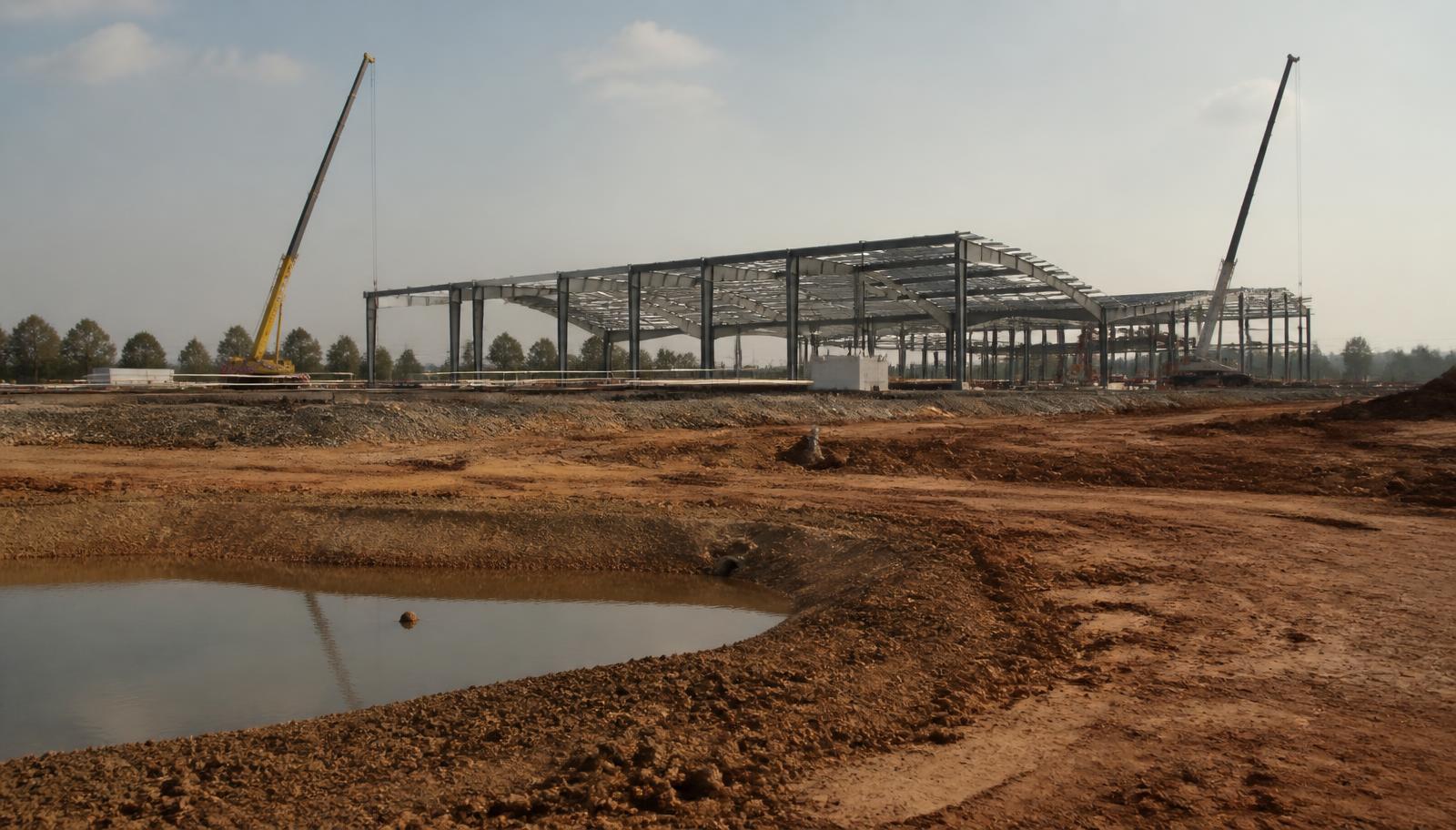
Australia ranked second globally as a data centre investment destination in 2024, and the east coast states are where most of that capital is trying to land. In 2025 the NSW Government alone had approved or received state significant development applications for 22 additional data centre facilities with combined capacity of 3.67 gigawatts. Behind every one of those numbers is a planning pathway decision that was made early, and either made well or paid for later. If you are taking a site in New South Wales, Victoria or Queensland, the approvals question is not whether a pathway exists. It is which one fits your project and what has to be true before you commit to it.
In Brief
- All three east coast states offer elevated pathways for major projects, including state significant style processes, but eligibility and sequencing differ and the choice shapes everything downstream.
- Community objection risk is a live siting factor. Where your project sits determines who can object, when and with what consequences for your timeline.
- Energy availability has become a genuine siting criterion, not an afterthought. Planning and grid connection run in parallel and projects stall when connection works lag the development application.
- The Commonwealth's national Expectations framework, released on 23 March 2026, now influences whose application gets prioritised, without creating legal obligations.
- Sequencing errors are measured in quarters. The map is worth having before the site contract is signed.
Why the Pathway Decision Comes First
Every east coast state gives large projects a route through the planning system that differs from the route an ordinary development takes. Broadly, projects of sufficient scale or significance can access state level assessment rather than being decided purely at the local level. That sounds like an advantage, and often it is. But the elevated pathways carry their own eligibility thresholds, their own assessment expectations and their own exposure to scrutiny, and a project that qualifies is not automatically a project that benefits.
The decision interacts with everything else. It affects which agencies assess you, what studies you need before lodgement, how objections are handled and how long the process realistically runs. Developers who treat the pathway as a box to tick rather than a strategic choice tend to discover the difference mid application, when changing course means starting parts of the process again.
Community Objection Risk Is a Siting Factor
Data centres are large, energy hungry and increasingly visible to the communities around them. Objection risk is no longer a formality to be managed by a consultant's template. Where the site sits, what surrounds it and which pathway the application travels through all determine who can object, at what stage and with what power to slow or reshape the project.
The uncomfortable truth is that objection exposure is substantially set at site selection, before any planner is engaged. Two comparable sites can carry very different objection profiles, and the difference does not show up in the purchase price. It shows up eighteen months later, in the assessment timeline. This is assessable before you buy, and worth assessing.
Energy Availability Now Drives Siting
The industry has learned, expensively, that a site with perfect planning attributes and no realistic path to power is not a data centre site. Energy availability has moved from a technical workstream to a primary siting criterion, and it belongs in the feasibility analysis alongside zoning and land price.
The structural problem is that planning and grid connection run in parallel but are not always aligned. They are run by different bodies, on different clocks, with different queues. Projects stall when connection works lag development applications, and a development approval you cannot energise is a carrying cost, not an asset. The projects that move are the ones where both clocks were read together from the start and the sequence was designed around the slower one.
The Commonwealth Layer Since March 2026
On 23 March 2026 the Commonwealth released national Expectations for data centre and AI infrastructure developers: five benchmarks covering national interest, energy transition, water usage, workforce and local capability. They do not create legal obligations. What they do is arguably more commercially significant. Alignment with the Expectations is prioritised through Commonwealth regulatory processes, which means the framework influences whose project moves faster wherever the Commonwealth touches the approval chain.
Four days later, on 27 March 2026, 15 data centre projects worth 51.9 billion dollars were endorsed for prioritised government support through the approvals process. The signal to everyone not on that list is plain. Prioritisation is real, it is being used and positioning for it is now part of approvals strategy in every state. How a project demonstrates alignment is a structuring exercise, and it starts well before lodgement.
What Goes Wrong, and What a Navigable Path Looks Like
The failure pattern is consistent. The pathway is chosen by default rather than design. The grid connection conversation starts after the development application is lodged. Objection risk is discovered rather than assessed. The Expectations framework is treated as background noise until a competitor's project is prioritised. None of these mistakes is fatal on its own. Together they compound, and the spread between a well sequenced project and a badly sequenced one is measured in years.
The alternative is a map made early: every approval in sequence, the dependencies between them and the failure modes specific to your site and structure. That is a legal and strategic exercise, it is protected by legal professional privilege when a law firm runs it and it costs a fraction of a single quarter of delay.
Frequently Asked Questions
Do NSW, Victoria and Queensland run the same approval process?
No. Each state has its own planning system and its own elevated pathway for major projects. The concepts rhyme but the eligibility rules, sequencing and practical timelines differ, and a strategy imported from one state rarely survives contact with another.
Can I start grid connection after my development application is lodged?
You can, and that is how projects stall. Planning and connection run on separate clocks and are not always aligned. Reading both queues before committing to a site is the single highest value piece of early work.
Does the national Expectations framework legally bind my project?
No. The five benchmarks do not create legal obligations. But alignment is prioritised through Commonwealth regulatory processes, and after the 51.9 billion dollar endorsement round in March 2026 the commercial value of prioritisation is no longer theoretical.
When should legal advice start?
Before the site is bought. Pathway selection, objection exposure and connection sequencing are all substantially set at acquisition, and they are far cheaper to shape than to repair.
Taking a data centre site through approvals in NSW, Victoria or Queensland? Contact Astris Law or call (07) 3519 5616, and see our data centre approvals page for how the fixed fee program works.
This article is for general information purposes only and does not constitute legal advice and should not be relied on as such. While we take reasonable care to ensure the accuracy of the information provided, we make no representations or warranties as to its completeness, currency or reliability. We accept no liability for any loss or damage arising directly or indirectly from the use of, or reliance on, this website's content. You should always seek professional advice tailored to your specific circumstances before acting on any information in this article. Liability limited by a scheme approved under Professional Standards Legislation.
Planning a data centre on the east coast?
Pathway selection, sequencing and Expectations alignment are decided early or they are decided badly. Astris Law runs data centre approvals on fixed fees, end to end. Book a call back on (07) 3519 5616.