

BVLOS Approval Under AusSORA: Cost and Timeline Realities
Summary
The question every operator asks about BVLOS approval is what it costs and how long it takes. The honest answer is that the application fee is the smallest number in the equation. The real cost is the safety case build and the capital burning through an assessment that may take several months from payment.
Key Takeaways
- CASA assessment of BVLOS approvals may take several months from payment, and the safety case build sits in front of that clock, not inside it.
- AusSORA applications are bespoke safety cases with containment requirements and operational safety objectives, so the quality of the case is the biggest variable you control.
- The updated iGRC ground risk table includes a population band for extremely remote areas with fewer than 0.5 people per square kilometre, which makes where you fly a strategic decision.
- The real cost of approval is rarely the fee. It is the burn rate through assessment and the revenue delayed by every requisition a weak application invites.
- AusSORA replaced the interim instrument TMI 2024-03 on 11 May 2026 and material prepared for the old pathway needs mapping, not lodging.
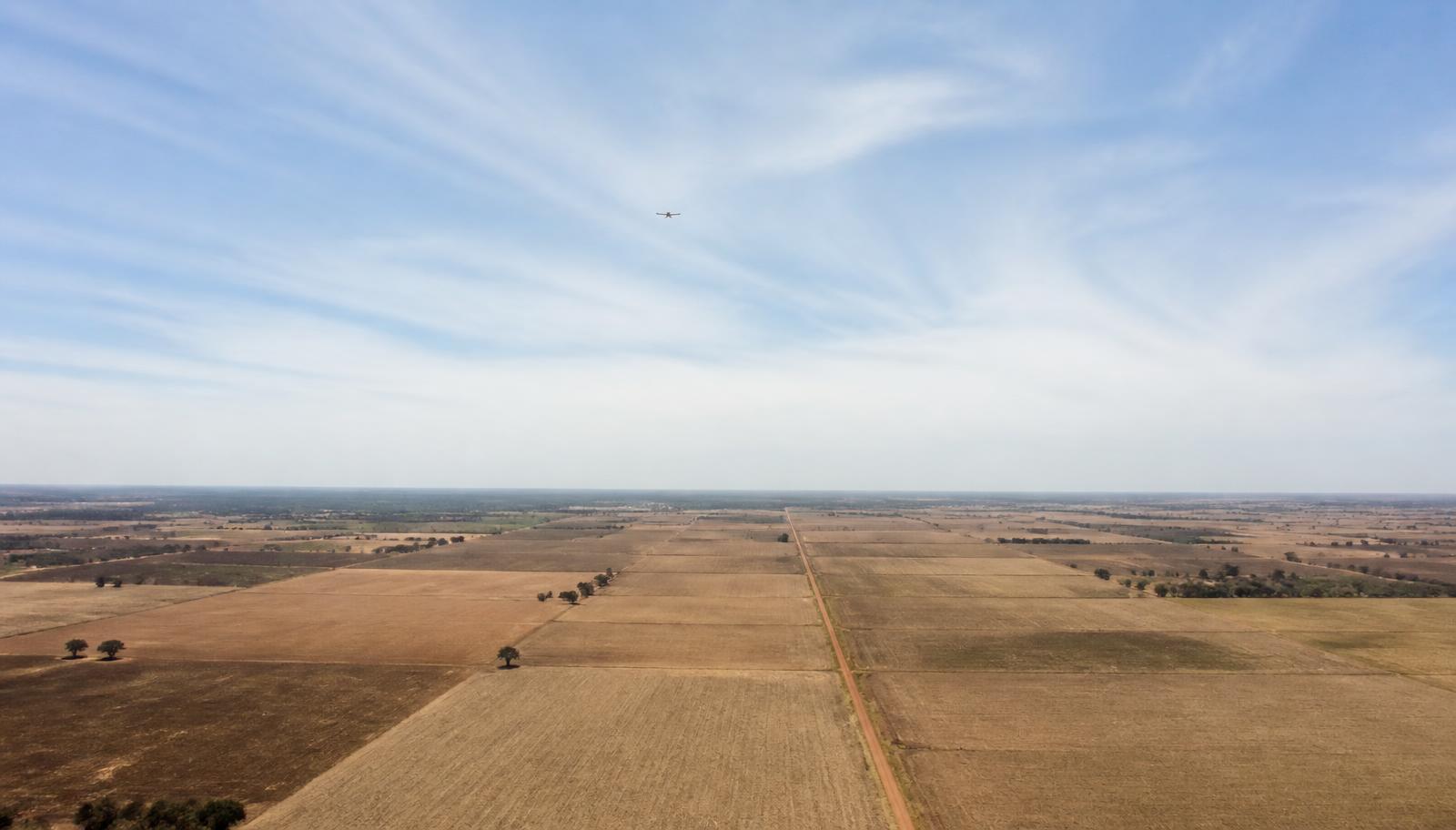
Every operator planning a beyond visual line of sight operation asks the same two questions: what will the approval cost and how long will it take. Both questions have a lazy answer and a true one. The lazy answer quotes a fee and a published processing expectation. The true answer is that under AusSORA the safety case is the schedule, the assessment clock only starts once you have paid, and the biggest costs never appear on any CASA invoice.
In Brief
- AusSORA, CASA's framework for BVLOS operations, came into effect on 11 May 2026, built around Advisory Circular AC 101-06 of April 2026. New applications must follow it.
- It replaced the interim instrument TMI 2024-03 and adapts the international SORA process for Australia.
- Applications are built on bespoke safety cases, containment requirements and operational safety objectives.
- CASA assessment of BVLOS approvals may take several months from payment.
- The updated iGRC ground risk table includes a population band for extremely remote areas with fewer than 0.5 people per square kilometre.
The Clock Starts Later Than You Think
CASA assessment of a BVLOS approval may take several months from payment. Read that carefully. The clock does not start when you decide to apply, or when the engineering is done, or when the draft safety case exists. It starts from payment, which means everything before that point, the concept of operations, the risk assessment, the containment strategy, the evidence gathering, sits in front of the assessment period rather than inside it.
Operators who budget for the assessment period alone are budgeting for the second half of the project. The first half, the safety case build, has no published duration because it is entirely a function of how well the operation was designed and how much of the case must be constructed after the fact. That is the half you control, and it is where good operators separate from stalled ones.
The Safety Case Is the Schedule
Under AusSORA an application is a bespoke safety case supported by containment requirements and operational safety objectives. This is the Australian adaptation of the international SORA process, the Specific Operations Risk Assessment, and it rewards exactly what the name suggests: a specific operation, specifically assessed.
The timeline consequence is direct. A safety case that asserts rather than evidences invites requisitions. Requisitions add cycles. Cycles add months, and every month of assessment is a month of aircraft, staff, insurance and premises being paid for by a business that cannot yet earn. The most expensive line item in a BVLOS approval is rarely a fee. It is the burn rate multiplied by the delay, and the delay is mostly a function of application quality.
Geography Is Now a Cost Lever
The updated iGRC ground risk table includes a population band for extremely remote areas with fewer than 0.5 people per square kilometre. Sit with what that means strategically. The framework now distinguishes between remote and extremely remote ground risk, which makes where you propose to fly one of the levers that shapes what your safety case must carry.
For agriculture, resources and remote logistics operators this is an opening. For operators whose commercial case requires flying over people, it is a reminder that the ground risk analysis is not paperwork. It is the spine of the application, and choices made at the concept of operations stage echo through every subsequent page. The operators who treat route and area selection as a joint commercial and regulatory decision buy themselves a simpler case. The ones who treat it as a map exercise find out during assessment what it really was.
The Transition Trap
AusSORA replaced the interim instrument TMI 2024-03, and new applications from 11 May 2026 must follow the new framework. Operators who spent 2024 and 2025 preparing under the interim settings are holding material of uncertain value: some of it maps across, some of it does not, and lodging old thinking in a new framework is one of the more expensive ways to discover the difference. The mapping exercise is worth doing deliberately, before payment starts the clock, not during a requisition response after it.
What This Means for Your Capital Plan
Put the pieces together and the shape of a realistic BVLOS budget emerges. A build phase whose length you control, an assessment phase measured in months that you largely do not, and a quality lever connecting the two, because the standard of the safety case going in decides how many cycles come out. The operators and investors who model it that way make better decisions about runway, hiring and contract commencement dates than the ones who pencil in a fee and a hope.
Where the numbers land for your specific operation depends on facts we would need to see. That analysis, done under legal professional privilege before anything is lodged, is precisely the work our fixed fee feasibility phase exists to do.
Frequently Asked Questions
How long does BVLOS approval take under AusSORA?
CASA assessment may take several months from payment, and the safety case build sits in front of that. The total elapsed time is dominated by how ready the operation is before the clock starts.
What does a BVLOS approval cost?
The fee is the visible number and the smallest one. The material costs are the safety case build and the burn rate through assessment. What those look like for your operation is a feasibility question, not a menu price.
Can I speed up the CASA assessment?
You cannot control the regulator's clock. You can control what you hand it. Applications that evidence their operational safety objectives instead of asserting them give the assessment fewer reasons to stop, and that is the only acceleration that exists.
Does flying in remote areas make approval easier?
The updated iGRC ground risk table includes a population band for extremely remote areas with fewer than 0.5 people per square kilometre, so geography genuinely matters to the ground risk analysis. What it means for your operation depends on the whole risk picture, which is why it is a design decision rather than a shortcut.
I prepared material under TMI 2024-03. Is it wasted?
Not wasted, but not an application either. AusSORA replaced the interim instrument and new applications must follow it. The old material needs mapping into the new framework before it earns its place.
Building a BVLOS budget or a safety case strategy and want the realities mapped before the clock starts? Start with our BVLOS approvals page, then Contact Astris Law or call (07) 3519 5616.
Sources and References
- RegulatorCASA, Advisory Circular AC 101-06 (April 2026)
This article is for general information purposes only and does not constitute legal advice and should not be relied on as such. While we take reasonable care to ensure the accuracy of the information provided, we make no representations or warranties as to its completeness, currency or reliability. We accept no liability for any loss or damage arising directly or indirectly from the use of, or reliance on, this website's content. You should always seek professional advice tailored to your specific circumstances before acting on any information in this article. Liability limited by a scheme approved under Professional Standards Legislation.
Facing the AusSORA clock?
The assessment period is the part you cannot compress. The safety case build is the part you can. Astris Law runs the strategy behind the application on fixed fees, protected by legal professional privilege. Book a call back on (07) 3519 5616.