

Automated Vehicles in Australia: The Coming Safety Law
Summary
Australia is developing a national safety law for automated vehicles. Today, trials need case by case permissions. The drone sector just lived through the same arc, from bespoke instruments to a standing framework, and it holds a lesson about who wins when the law finally lands.
Key Takeaways
- An automated vehicle national safety law is in development in Australia. The reform is in progress, not enacted, and its final shape is not settled.
- Until it lands, automated vehicle trials operate on case by case permissions, which makes today's regulatory work bespoke by definition.
- The drone sector just completed the same arc: interim instrument TMI 2024-03 gave way to the standing AusSORA framework on 11 May 2026.
- The drone experience suggests the winners of a framework transition are the operators whose trial era evidence was built to outlive the trial era.
- Boards deploying, supplying or investing in automated vehicle technology should treat the reform period as preparation time, not waiting time.
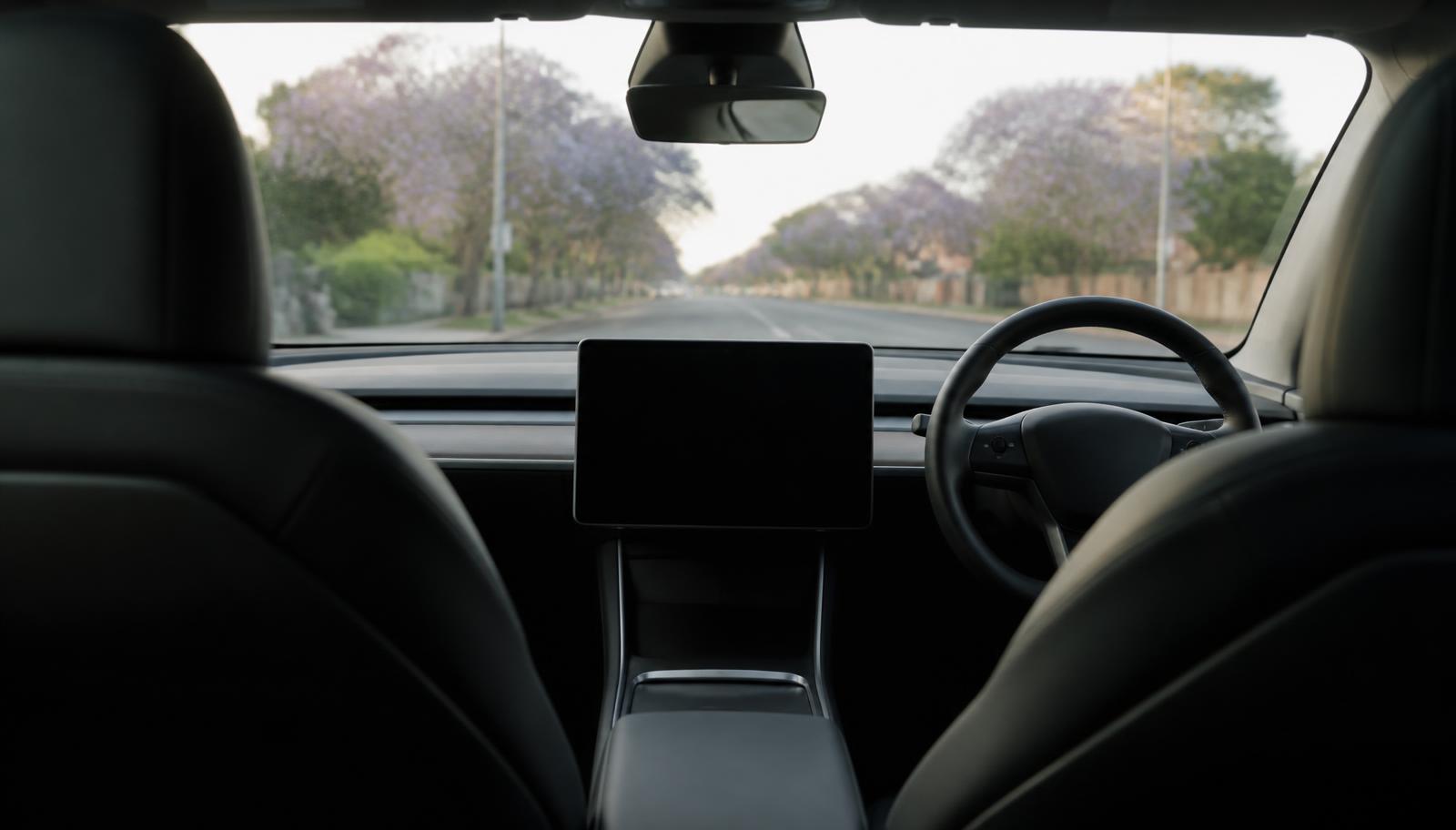
Australia is developing a national safety law for automated vehicles. It is not here yet. The reform is in progress, its final shape is not settled, and in the meantime automated vehicle trials operate on case by case permissions. That sentence describes a market in its most misunderstood phase: the period before the framework, when most participants wait and a few prepare. The drone sector has just finished living through exactly this arc, and what happened there is the most useful preview available of what happens here.
In Brief
- An automated vehicle national safety law is in development in Australia. It is reform in progress, not enacted law.
- Automated vehicle trials currently need case by case permissions.
- The drone sector ran the same sequence: bespoke and interim arrangements, then a standing framework when AusSORA took effect on 11 May 2026, replacing the interim instrument TMI 2024-03.
- Framework transitions reward participants whose trial era work was designed to survive the transition.
- The reform period is the cheapest time to build regulatory position. It is also the easiest time to waste.
Where the Law Actually Stands
Precision matters here because this area attracts overstatement. There is no national automated vehicle safety law in force in Australia today. What exists is a reform process working toward one, and a present tense reality in which anyone wanting automated vehicles on the road needs permissions granted case by case. Anyone telling you the rules are settled is selling something. Anyone telling you nothing can be done until they are settled is mistaken in a more expensive way.
For boards this creates an uncomfortable planning posture. You cannot write a compliance program for a law that does not exist. You can, however, make choices now, about structure, evidence, contracts and regulator relationships, that will either compound or embarrass you when the framework arrives. The uncertainty is not a reason to defer the thinking. It is the reason the thinking is valuable.
The Drone Sector Just Ran This Experiment
Beyond visual line of sight drone operations spent years in a similar in-between state, governed by interim arrangements including the instrument TMI 2024-03. Then, on 11 May 2026, CASA's AusSORA framework took effect, built around Advisory Circular AC 101-06 and adapting the international SORA process for Australia. New applications from that date must follow it. An era of interim settings ended and a standing framework began.
Watch what that transition did to the field. Operators whose earlier work was built as durable safety evidence, documented, structured and honest about its limits, walked into the new framework with most of their case already in hand. Operators whose earlier work was built merely to satisfy the interim settings discovered that a pile of past permissions is not a safety case. Same market, same transition date, radically different starting positions. The framework did not create that gap. It revealed it.
What Transfers From Trial Era to Framework Era
The automated vehicle sector should study that pattern, because case by case permissions are the trial era in its purest form. Every permission an operator obtains now is bespoke. The strategic question is whether the material behind each permission, the risk analysis, the incident data, the operational discipline, the record of regulator engagement, is being built as an asset or an artefact.
The same question reaches beyond operators. Suppliers signing agreements today are allocating liabilities that a future safety law will reinterpret. Insurers are pricing risks the framework will redefine. Investors are valuing companies whose principal asset may turn out to be their regulatory position rather than their technology. In each case the contracts and structures being signed during the reform period will still be alive when the law lands on them, and very few are being drafted with that moment in mind.
Preparation Is Not Prediction
None of this requires guessing the final content of the law, and the honest position is that nobody outside the reform process knows it. Preparation in a reform period is a different discipline from compliance with a finished one. It means building evidence that any plausible framework would credit, keeping structures flexible where the reform could break them, engaging with the process rather than reading about it afterwards and stress testing today's contracts against tomorrow's reinterpretation. That work is unglamorous, privileged when done with lawyers and almost comically cheap compared with retrofitting any of it after commencement.
The drone operators who are now moving fastest under AusSORA did not predict the framework. They prepared for a framework, and that turned out to be enough.
Frequently Asked Questions
Is there an automated vehicle safety law in Australia now?
No. A national safety law is in development and the reform is in progress. Today, automated vehicle trials need case by case permissions.
When will the automated vehicle law commence?
The reform has not concluded and we will not dress a guess up as advice. What is knowable now is the direction of travel and the preparation that any plausible outcome would reward.
Can automated vehicles operate in Australia today?
Trials can run under case by case permissions. Each permission is bespoke, which is exactly why the material built to obtain it should be designed to outlive it.
What does the drone sector's experience have to do with automated vehicles?
It is the nearest completed example of an Australian transport technology moving from interim, bespoke permissions to a standing national framework, with AusSORA replacing TMI 2024-03 on 11 May 2026. The transition rewarded the prepared and exposed the rest.
What should a board deploying or investing in this technology do during the reform period?
Treat it as preparation time. Structure, evidence, contracts and regulator engagement built now decide your position at commencement, and that work is a fraction of the cost of doing it afterwards.
Deploying, supplying or investing in automated vehicle technology and want your position built before the framework hardens? See how we handled the same arc for drone operators on our BVLOS approvals page, then Contact Astris Law or call (07) 3519 5616.
This article is for general information purposes only and does not constitute legal advice and should not be relied on as such. While we take reasonable care to ensure the accuracy of the information provided, we make no representations or warranties as to its completeness, currency or reliability. We accept no liability for any loss or damage arising directly or indirectly from the use of, or reliance on, this website's content. You should always seek professional advice tailored to your specific circumstances before acting on any information in this article. Liability limited by a scheme approved under Professional Standards Legislation.
Positioning for the automated vehicle framework?
The reform period is when the advantage is built. Astris Law helps operators, suppliers and investors design regulatory strategy before the framework hardens, on fixed fees and under legal professional privilege. Book a call back on (07) 3519 5616.