

ACCU Projects: From Registration to First Credit
Summary
Between deciding to run a carbon project and holding a tradeable credit sits a legal journey most participants underestimate. Registration, an approved method, land tenure and consents each carry their own failure modes, and the weak ones surface years after the money is spent.
Key Takeaways
- The ACCU scheme is administered by the Clean Energy Regulator, and a project must be registered, run under an approved method and satisfy land tenure and consent requirements.
- Consent requirements can include native title considerations, and they are the part of the journey most often underestimated.
- The contracts around a project, not the registration itself, usually decide who ends up with the value of the credits.
- The Nature Repair Act 2023 (Cth) established a national voluntary biodiversity market, which means the same land can now carry stacked commitments that need to be sequenced deliberately.
- The projects that reach first credit cleanly are the ones whose legal structure was resolved before registration, not repaired after it.
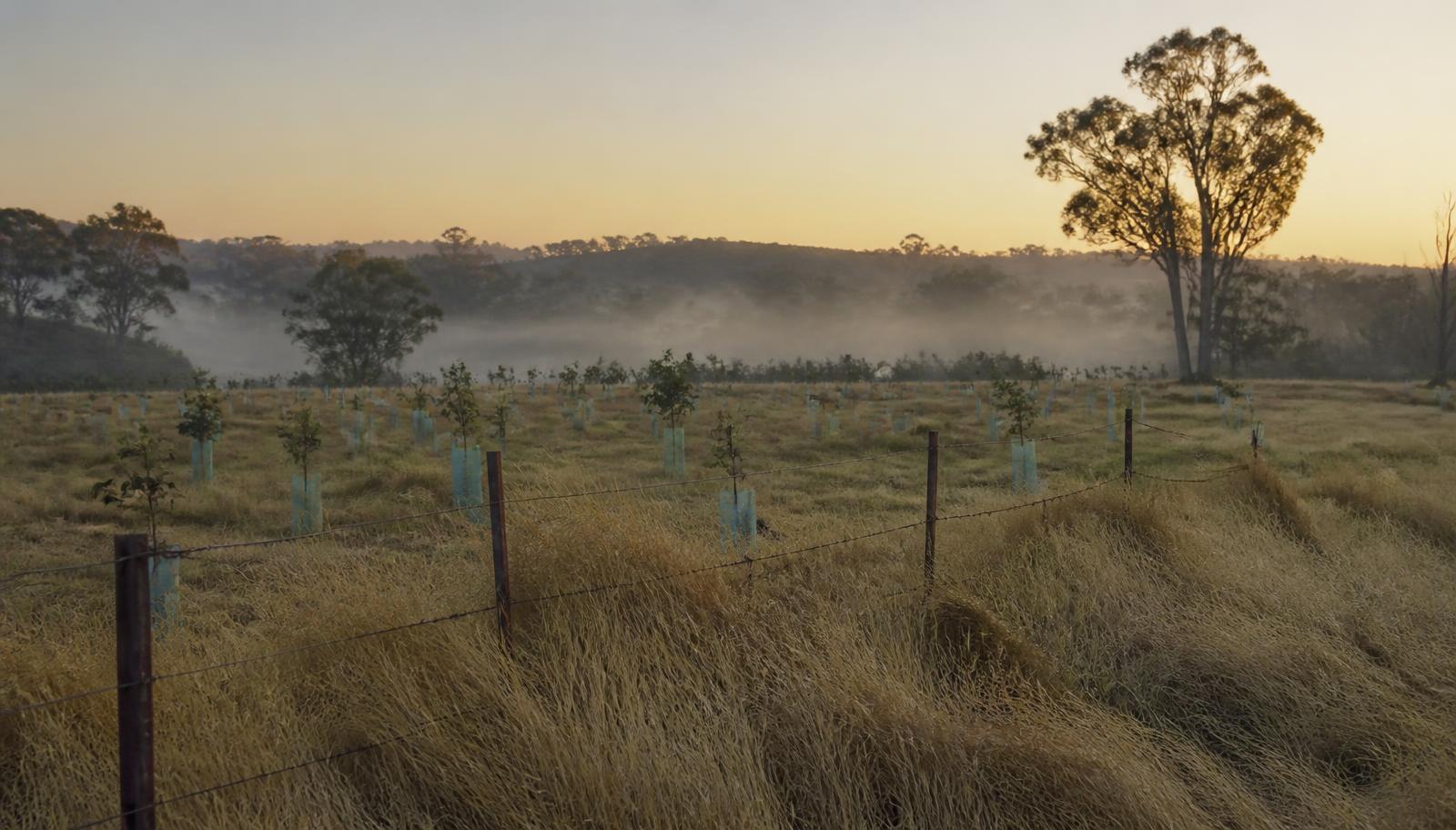
Between the decision to run a carbon project and the moment a tradeable Australian carbon credit unit lands in an account sits a journey that is mostly legal, not environmental. The ACCU scheme is administered by the Clean Energy Regulator, and every project must clear the same gates: registration, an approved method and the land tenure and consent requirements, which can include native title considerations. Each gate looks administrative from a distance. Up close, each is where projects quietly lose years, value or both.
In Brief
- An ACCU project must be registered with the Clean Energy Regulator, run under an approved method and satisfy land tenure and consent requirements.
- Consent requirements can include native title considerations, and they are the most commonly underestimated part of the journey.
- The contracts around the project usually matter more than the registration in deciding who keeps the value.
- The Nature Repair Act 2023 (Cth) established a national voluntary biodiversity market, so the same land can now carry stacked commitments.
- The projects that reach first credit cleanly resolved their legal structure before registration, not after.
The Journey Everyone Describes and Nobody Maps
Ask around the industry and you will hear the same summary. You register the project, you run it under a method, you report, you get credits. That summary is accurate the way a coastline is accurate on a globe.
The gates are real. Registration is a formal step with the Clean Energy Regulator. The method has to be an approved one, and the project has to actually fit it, which is a characterisation question and not a marketing one. The land tenure position has to support the project, and the consent requirements have to be satisfied, which depending on the land can bring native title considerations into the room. The summary hides that these gates are not independent. A tenure position that looks workable can change which consents are needed. A consent gap can stall a project that is otherwise registered and running. The gates interact, and the interactions are where time and money go.
Where Projects Quietly Go Wrong
The failures in this market are rarely dramatic. A project does not usually collapse. It drifts. A consent that should have been obtained before registration is chased afterwards, from a counterparty who now knows the project needs it. A landholder agreement signed early, without advice, turns out to have allocated the credit entitlements in a way nobody at the kitchen table understood at the time. An aggregator's portfolio holds fifty properties and one unresolved consent chain, and that one property reprices the whole book in diligence.
Each of these is invisible in year one, awkward in year three and expensive in year seven, when the crediting is real and the counterparties have lawyers. The pattern is the same every time: the legal structure was treated as paperwork to follow the project, when it is the thing the project stands on.
The Contracts Carry the Value
Here is the part that surprises landholders most. The registration determines whether credits can be issued. The contracts determine who ends up with them. Carbon agreements in circulation deal with project control, credit entitlements, land use restrictions, term and exit, and the first draft is always written for the party who sent it. A landholder who signs before taking advice has usually made the most important commercial decision of the project without knowing it.
The same is true in the other direction. Developers and offtakers contracting for credits that do not exist yet are allocating delivery risk, and the difference between a well drafted offtake and a template is a manageable shortfall versus a dispute. We are not going to set out what those clauses should say, because that depends on your project and your position in it. The point is that they are decided early and they are very hard to reopen.
The Land Is Getting Crowded
There is a second market now. The Nature Repair Act 2023 (Cth) established a national voluntary biodiversity market, and the same land that supports a carbon project may attract biodiversity interest as well. That can be upside. It also means the same country can carry stacked commitments to different counterparties under different schemes, and what you sign first constrains everything you sign afterwards.
Sequencing those commitments is a structuring exercise. Done deliberately, it can protect optionality across both markets. Done by signing whatever arrives first, it forecloses options the landholder never knew existed. The window for making that choice is before the first agreement is executed, earlier than almost anyone seeks advice.
What First Credit Actually Proves
When a project reaches first credit cleanly, it is proof of something that happened years earlier. It means the method fit was right, the tenure position held, the consents were obtained in the right order and the contracts survived contact with real counterparties. Those outcomes were purchased at the start, when they were cheap. The projects that struggle bought the same items later, at distressed prices.
That is why the useful question is not how to get registered. It is whether your specific land, structure and counterparties can carry a project through its whole crediting life, and what has to be fixed before you commit. That question has an answer for every project. It is just never a generic one.
Frequently Asked Questions
Who administers the ACCU scheme?
The Clean Energy Regulator. Registration, the approved method requirement and the land tenure and consent requirements all sit within the scheme it administers.
What are the main legal requirements for an ACCU project?
A project must be registered, must run under an approved method and must satisfy land tenure and consent requirements, which can include native title considerations. How each requirement applies to a specific project depends on the land and the structure, which is why generic answers mislead.
Do native title considerations apply to my project?
They can, depending on the land and the project. It is a question to resolve before registration rather than after, because the cost of resolving it rises steeply once the project is committed.
Can my land support both a carbon project and a biodiversity project?
Possibly. The Nature Repair Act 2023 (Cth) established a national voluntary biodiversity market alongside the carbon market. Whether stacking works for your land, and in what order the commitments should be made, is a structuring question specific to your circumstances.
Planning a project, reviewing an agreement or doing diligence on someone else's portfolio? Start with our carbon projects page, then Contact Astris Law for a fixed fee consultation or call (07) 3519 5616.
Sources and References
- LegislationNature Repair Act 2023 (Cth)
- RegulatorClean Energy Regulator, Australian Carbon Credit Unit Scheme
This article is for general information purposes only and does not constitute legal advice and should not be relied on as such. While we take reasonable care to ensure the accuracy of the information provided, we make no representations or warranties as to its completeness, currency or reliability. We accept no liability for any loss or damage arising directly or indirectly from the use of, or reliance on, this website's content. You should always seek professional advice tailored to your specific circumstances before acting on any information in this article. Liability limited by a scheme approved under Professional Standards Legislation.
Planning or reviewing a carbon project?
The registration, the tenure position and the contracts each decide a different part of who wins from your project. Astris Law offers a fixed fee feasibility phase, protected by legal professional privilege. Book a call back on (07) 3519 5616.