

Approached by a Data Centre Developer? A Landowner's Guide
Summary
Data centre developers are approaching landowners with option deeds that run for years and allocate rezoning risk, water rights, easements and upside for decades. The first draft is not written in your favour, and what you sign early is what you live with.
Key Takeaways
- Australia ranked second globally as a data centre investment destination in 2024, and that capital is now arriving at farm gates and factory doors as option deeds.
- Option deeds allocate rezoning risk, water rights, easements and upside over long terms, and the developer's first draft is not written in the landowner's favour.
- Energy availability drives site selection, which is often why your land was chosen and part of what makes it valuable.
- The negotiating leverage a landowner holds before signing rarely survives signature. The order of events matters more than most owners realise.
- Independent advice before signing costs a fraction of what the first draft gives away over a multi decade term.
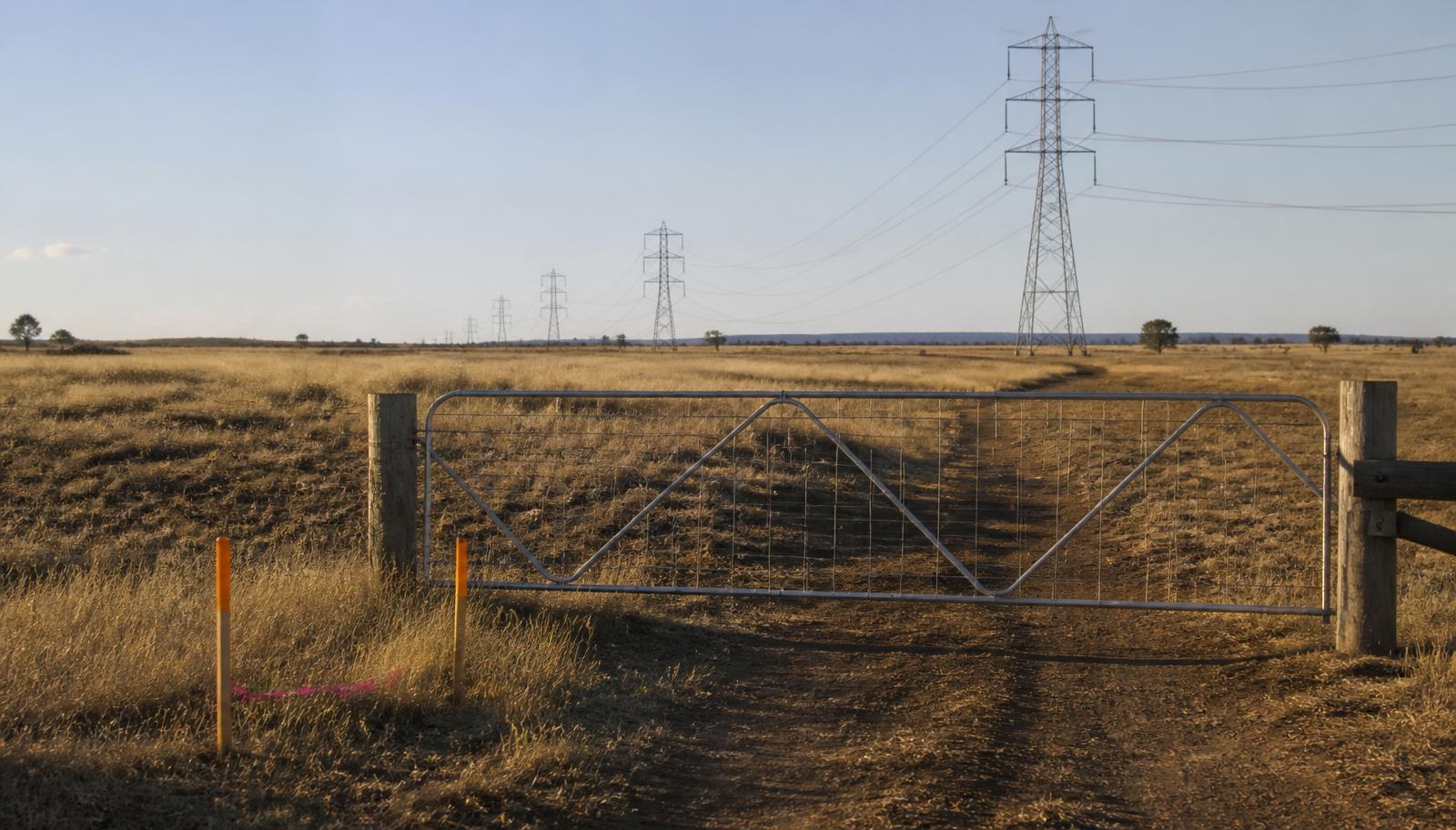
The letter is polite, the numbers sound large and the developer's representative is in no apparent hurry. Somewhere behind the courtesy is a fact worth holding onto: your land was not chosen at random. Australia ranked second globally as a data centre investment destination in 2024, the capital is still arriving and developers are quietly securing sites years ahead of construction. The document they will eventually ask you to sign is usually an option deed, it runs for a long time and it allocates rezoning risk, water rights, easements and upside for decades. The first draft is not written in your favour. None of them ever are.
In Brief
- Data centre developers are approaching landowners across the east coast, often well before any public signal that a project exists.
- The standard instrument is an option deed with a long term, and its silent function is risk allocation: rezoning risk, water rights, easements and who captures the upside.
- Your land was likely selected for attributes you may be underpricing, with energy availability chief among them.
- Leverage is at its peak before signing and rarely recoverable afterwards.
- A navigable path exists: independent advice on the deed before signature, at a cost that is trivial against the term of the deal.
Why You, Why Now
Data centre siting is a search for a rare combination of attributes, and energy availability sits near the top of the list. Proximity to power capacity has become a primary siting factor, which means land that looks unremarkable to its owner can be strategically valuable to a developer reading the grid. Add the broader context, including a 2025 NSW pipeline in which the state government had approved or received state significant development applications for 22 additional facilities with combined capacity of 3.67 gigawatts, and the approach at your gate is part of a national land securing race.
This matters for one practical reason. The developer knows precisely why your land qualifies. You may not. That information gap is the first asset you give away if you negotiate without closing it.
What an Option Deed Actually Does
On its face an option deed is simple: the developer pays for the right, not the obligation, to acquire or lease your land within a window, usually while it pursues feasibility and approvals. Beneath that simplicity the deed is doing quieter work. It is allocating risk and reward between you and the developer across a long term, and every allocation in the first draft has been considered by someone acting for the other side.
Four allocations deserve particular attention. Rezoning risk: who carries the consequences if the planning outcome falls short, and who benefits if it exceeds expectations. Water rights: what the deed says, or pointedly does not say, about water associated with your land. Easements: what access, infrastructure and encumbrance rights you are granting, over what area and for how long, including what survives if the project never proceeds. Upside: whether your payment reflects the land as it is today or shares in what approval and development make it worth. Each of these is negotiable before signing. Almost none of them are negotiable after.
The Stakes of the First Sixty Days
Option deeds in this sector run for years and their consequences run for decades. A term that reads as boilerplate on page fourteen can determine, ten years from now, whether your family shares in a rezoning windfall or watches it accrue entirely to a counterparty who bought that outcome for the price of an option fee. Exclusivity, extension rights and the conditions under which the developer can walk away while you remain bound are all set at the start, when the document feels least urgent.
There is also a quieter risk. What you sign, and even what you disclose, in the early phase shapes your position for the entire life of the arrangement. Landowners who treat the first approach as low stakes because no land is changing hands yet have the sequence exactly backwards. The first document is where the leverage lives.
The Path That Protects You
None of this means the approach is bad news. A well negotiated arrangement with a serious developer can be transformative for a landholding family or business. The point is narrower: the version of that arrangement in the first draft is the developer's version, and the distance between their version and a balanced one is usually substantial and always invisible to an untrained reader.
The path is straightforward to describe. Understand why your land was selected. Have the deed reviewed by a lawyer acting only for you, whose advice is protected by legal professional privilege, before you sign anything or commit to anything in writing. Negotiate the allocations that matter while you still hold the one thing the developer needs and cannot get elsewhere: your signature. What that review and negotiation cost is a rounding error against a multi decade term. What skipping it costs is measured in the same decades.
Frequently Asked Questions
The developer says the deed is their standard document. Is it negotiable?
Standard means standard for them. The document allocates rezoning risk, water rights, easements and upside, and those allocations are negotiable before signature. The label on the draft does not change that.
Should I sign quickly before the developer moves to another site?
Urgency is a negotiating posture, and it is aimed at the exact window in which your leverage is highest. If your land genuinely meets the developer's siting criteria, it will still meet them after your lawyer has read the deed.
The option fee looks generous. Is that not the deal?
The fee is the visible part of the deal. The allocations of rezoning risk, water rights, easements and long term upside are the invisible part, and over the life of the deed the invisible part is usually worth far more.
Can I use the developer's suggested lawyer or just have my conveyancer look at it?
You need advice from someone acting solely in your interest who understands what these projects do to land value and how these deeds allocate it. This is not a conveyance. It is a long term commercial risk allocation with a sophisticated counterparty.
Approached by a data centre developer and holding a document you did not draft? Contact Astris Law or call (07) 3519 5616 before you sign, and see our data centre approvals page for how we act for landowners.
This article is for general information purposes only and does not constitute legal advice and should not be relied on as such. While we take reasonable care to ensure the accuracy of the information provided, we make no representations or warranties as to its completeness, currency or reliability. We accept no liability for any loss or damage arising directly or indirectly from the use of, or reliance on, this website's content. You should always seek professional advice tailored to your specific circumstances before acting on any information in this article. Liability limited by a scheme approved under Professional Standards Legislation.
Holding a data centre option deed you did not draft?
Rezoning risk, water rights, easements and decades of upside are allocated in that document, and the first draft was not written for you. Astris Law advises landowners on fixed fees before they sign. Book a call back on (07) 3519 5616.